6 liable parties an 18-wheeler accident lawyer checks in NC

On this page
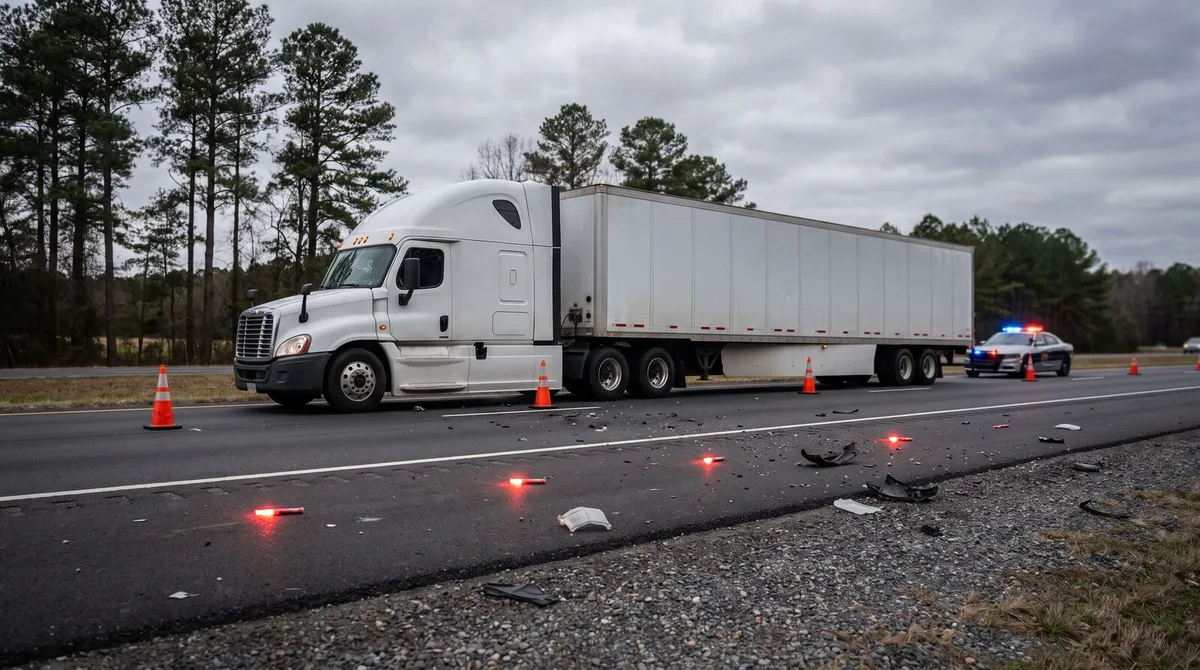
A tractor-trailer pulls onto I-40 outside Wilmington with a load from the port, and a few miles later it jackknifes across both lanes or drifts into a car riding beside its trailer. Crashes like this leave injury victims and their families with a claim that looks nothing like an ordinary fender-bender. A loaded rig can weigh up to 80,000 pounds under federal limits, and the company behind it usually has an insurer and an investigator working before the injured family has left the hospital.
I’m Robert L Armstrong, and I have represented injury victims and their families in the Wilmington area for over 41 years. This post explains how a big rig claim differs from a car claim in eastern North Carolina, the crash types I see most often, the six kinds of parties who can share the blame, and the North Carolina rules that decide whether a claim survives. It closes with the questions worth asking before anyone takes on your case.
How an 18-wheeler claim differs from a car crash claim
Most of the tractor-trailer cases I handle begin the way a car crash does, with a police report and a call from an insurance adjuster. After that, three things set the claim apart.
- Federal safety rules apply. A commercial truck rated at 10,001 pounds or more that crosses state lines, or hauls freight that does, falls under the Federal Motor Carrier Safety Regulations (FMCSRs). These rules, found mainly in 49 CFR Parts 390 through 399, govern drivers, equipment, maintenance, and recordkeeping. They create paper trails that an ordinary driver never keeps.
- More than one company can be at fault. A car crash usually has one at-fault driver and one policy. A big rig crash can involve a driver, the company whose authority the truck runs under, a broker who arranged the load, a shipper who loaded it, and a shop that last worked on the brakes.
- The injuries and the defense are both bigger. Serious injuries mean higher medical bills and lost income, which means more insurance money at stake and a harder fight over every fact.
Smaller commercial vehicles can raise the same issues. Box trucks and delivery trucks often fall under some of the same federal rules, though the insurance layers and records tend to be thinner than for a long-haul rig.
Why eastern North Carolina sees so much tractor-trailer traffic
Freight moves through the Wilmington area on a handful of corridors. I-40 ends in Wilmington and links the port to Raleigh and points west. US-17 runs the coast, north through Pender and Onslow counties toward Jacksonville and south through Brunswick County toward South Carolina. US-74 and US-76 carry trucks west through Leland and Columbus County toward Lumberton and Charlotte.
Container trucks leaving the Port of Wilmington share those roads with summer beach traffic, military traffic around Camp Lejeune, and agricultural freight from Duplin and Bladen counties. That mix affects claims in practical ways. Many carriers on these routes are based out of state. A container hauled from the port may ride on a chassis owned by a different company than the one that owns the tractor, which can add another party and another set of inspection records. And rural two-lane roads in Pender, Duplin, and Bladen counties, with turning farm equipment and narrow shoulders, leave little room for a heavy truck to stop or swerve.
Common 18-wheeler crash types and what each one points to
The way a crash happened often points toward who caused it and which records matter. Here are the patterns I see most often in semi-truck cases.
| Crash type | What it often points to | Records worth pulling |
|---|---|---|
| Jackknife | Hard braking, speed too fast for conditions, brake imbalance, a light or empty trailer | Engine data on speed and braking, brake repair records |
| Underride | A car slides under the side or rear of the trailer | Rear guard condition, trailer lights and reflective tape |
| Rollover | Speed on a ramp or curve, a high or shifting load | Engine data, load and weight records |
| Wide-turn crash | A truck swings left before turning right and traps a car in the gap | Dashcam and intersection video |
| Blind-spot lane change | A driver changes lanes without clearing the mirrors | Forward and side cameras, lane-departure alerts |
| Brake failure | Skipped inspections or brakes out of adjustment | Driver inspection reports, repair orders |
| Cargo shift or spill | Overloading or poor tiedowns | Bills of lading, securement and scale records |
Underride crashes
Underride crashes are among the most severe, because the car’s hood slides under the trailer and the trailer strikes the passenger compartment. Federal rules require rear impact guards on most trailers, but the Insurance Institute for Highway Safety notes there is no federal requirement for front or side underride guards in the United States. In a rear underride case, I look at whether the guard was damaged, rusted, or missing before the crash, and whether the trailer’s lights and reflective tape were working.
Cargo shift and spilled loads
Federal cargo securement rules set standards for tiedowns and blocking, with specific requirements for loads such as logs, metal coils, heavy equipment, and intermodal containers. When a load shifts on a curve and tips the trailer, the question becomes who loaded and secured it, and whether the driver inspected it as required.
Who can be held liable for an 18-wheeler crash
Fault in a tractor-trailer case is rarely limited to the person behind the wheel. These are the six kinds of parties I look at, and why each can end up among the multiple defendants in a single lawsuit.
- The truck driver. Speeding, fatigue, phone use, impairment, or an unsafe lane change are the most common driver failures.
- The motor carrier. A trucking company is generally responsible for its driver’s conduct on the job. It can also be directly responsible for its own decisions, such as hiring a driver with a poor record, skimping on training, or setting delivery schedules that can’t be met legally. When the driver is an owner-operator, federal leasing rules require the carrier leasing the truck to take responsibility for operating it during the lease.
- The freight broker. Brokers arrange loads and choose which carrier hauls them. For years, brokers argued that federal law shielded them from claims that they chose an unsafe carrier. In May 2026, the U.S. Supreme Court unanimously rejected that argument in Montgomery v. Caribe Transport II, holding that a state negligent-hiring claim against a broker falls within the federal law’s safety exception. The claim still has to be proven, but it is no longer cut off at the start.
- The shipper or loader. A company that overloads a trailer, balances the weight poorly, or fails to secure cargo can share responsibility for a rollover or spill.
- The maintenance shop. A shop that performed faulty brake, tire, or steering work, or signed off on an inspection it didn’t do, can be liable for the failure that followed.
- The parts manufacturer. A defective brake component, tire, or coupling device can cause a crash on its own. North Carolina does not allow strict liability in product cases, so a defect claim here has to show negligence or a breach of warranty.

Each of these parties may carry its own insurance. Finding all of them early matters, because a claim against the driver and carrier alone may leave coverage on the table.
Federal trucking rules that shape the claim
The FMCSRs set the standard of care for most of the parties above. A violation doesn’t win a case on its own, but it often shows what a careful carrier would have done differently. Three sets of rules come up in nearly every case.
Driver hours. The hours-of-service rules limit how long a driver can drive and stay on duty before taking time off. Fatigue is a frequent factor in rear-end and lane-departure crashes, and electronic logging devices (ELDs) record the driver’s hours.
Insurance. Federal insurance minimums require most interstate carriers hauling general freight to carry at least $750,000 in liability coverage, with higher amounts for certain hazardous materials. Many carriers carry more through excess policies.
Driver qualification and maintenance. Every carrier must keep a driver qualification file with the driver’s application, motor vehicle records, road test certificate, and medical examiner’s certificate, and keep it for as long as the driver works there plus three years. Inspection, repair, and maintenance records for each truck must be kept for one year and for six months after the truck leaves the carrier’s control. Those files show whether the carrier knew about a driver’s record or a truck’s defects before the crash.
Evidence that proves what happened in a big rig crash
Most of the evidence in a tractor-trailer case is held by the trucking company, not the injured family. The records I ask for first include:
- Engine control module (ECM) data. Often called the black box, it can show speed, braking, and throttle in the seconds before a crash.
- ELD records. These show the driver’s duty status and driving time leading up to the crash.
- Camera footage. Many fleets run forward-facing and driver-facing cameras, and some record lane-departure and following-distance alerts.
- The driver qualification file and training records.
- Maintenance and inspection records for the tractor and the trailer.
- Dispatch, load, and broker records, including the bill of lading and any messages about delivery times.
Some of this is public. Anyone can enter a carrier’s USDOT number in the federal company snapshot to see its registration, recent inspections, and reported crashes. The rest has to be requested, and much of it is kept on short schedules. My guide to post-crash steps explains how long each record typically lasts and why preservation letters go out in the first days.
How contributory negligence plays out in an 18-wheeler case
North Carolina is one of the few places that still follows contributory negligence. If the injured driver is found even slightly at fault, recovery can be barred completely. The size of the truck doesn’t change the rule.
Trucking insurers know this. The arguments I hear most in big rig cases are that the injured driver lingered in the truck’s blind spot, cut in front of the truck and braked, or tried to pass on the right during a wide turn. Federal safety campaigns do warn drivers to stay out of a truck’s blind spots, and insurers like to quote that advice. That warning doesn’t excuse a truck driver who changes lanes without checking mirrors or turns without making sure the lane is clear.
The answer is usually in the truck’s own data. Engine records show speed and braking, cameras show which vehicle moved first, and lane-departure alerts can show the truck drifting. When the facts support it, North Carolina’s last clear chance doctrine can sometimes overcome a contributory negligence defense, but it has strict elements and depends on documented facts.
Filing deadlines for 18-wheeler injury and wrongful death claims
For most personal injury claims in North Carolina, the deadline is three years under G.S. 1-52(16). In a crash case, the clock usually starts on the day of the crash, because that is when the injury becomes apparent.
When a truck crash takes a life, the family’s claim is brought by the estate, and G.S. 1-53(4) sets a two-year deadline that runs from the date of death. My post on fatal truck crashes covers who can bring those claims and what they can recover.
Those deadlines are not the ones that usually decide a truck case. Engine data can be overwritten when the truck goes back into service, and some federal records can be discarded within months. The window for protecting evidence closes long before the window for filing suit.
What to look for in an 18-wheeler accident lawyer
Searching for a lawyer after a semi-truck crash turns up a lot of advertising and very little about how the work gets done. These are the questions I’d ask any lawyer before hiring them for a tractor-trailer case, including me.
- Who handles my case day to day? At some high-volume firms, the lawyer you meet is not the one who works the file. Ask who reviews the evidence, takes depositions, and returns your calls.
- When do the preservation letters go out, and to whom? The answer should include more than the driver’s insurer. Ask about the carrier, the broker, the shipper, and the trailer owner.
- How are experts paid for? Truck cases often need an accident reconstruction expert and a trucking safety expert. Ask how those costs are advanced and how they are repaid if there is a recovery.
- How do you handle contributory negligence? Any lawyer handling a North Carolina truck case should be able to explain how they plan to answer a shared-fault argument.
- What does the fee agreement say? Ask for the contingency terms in writing and how costs are handled if there is no recovery.
The answers will tell you more than any advertisement. You want a lawyer who can explain the federal rules in plain English and who is willing to tell you honestly whether you have a claim.
18-wheeler accident FAQs
Is an 18-wheeler accident lawyer different from a car accident lawyer?
The license is the same, but the work is different. A tractor-trailer case usually involves federal safety regulations, more than one company that may share fault, several insurance policies, and engine and logging data that has to be requested before it is overwritten. When you talk to any lawyer about a truck crash, ask how they handle those records and who else besides the driver they plan to look at.
Can I sue the trucking company if the driver was an independent contractor?
Often, yes. Federal leasing rules require a motor carrier that leases a truck from an owner-operator to take responsibility for operating that equipment during the lease. The carrier may also be responsible for its own choices, such as hiring or supervising the driver. The lease, the carrier’s operating authority, and the dispatch records usually decide who answers for the crash.
Can a freight broker be sued for a truck crash in North Carolina?
It depends on the facts. In May 2026, the U.S. Supreme Court held that federal law does not block a state negligent-hiring claim against a broker that selected an unsafe carrier. That doesn’t make every broker liable. The claim still has to show the broker knew, or should have known, the carrier it hired was unsafe.
What if the trucking company’s insurer says I was in the truck’s blind spot?
Take it seriously, because North Carolina’s contributory negligence rule can bar recovery if you are found even slightly at fault. A truck’s blind spots don’t excuse an unsafe lane change by the truck driver, who is still required to check mirrors and signal. The truck’s camera footage, engine data, and lane-departure alerts often show who moved first.
How long do I have to file an 18-wheeler accident claim in North Carolina?
Most personal injury claims must be filed within three years, and a wrongful death claim within two years of the death. Those deadlines are much longer than the time some trucking records last, so the practical deadline for protecting the evidence is measured in weeks.
How much does it cost to talk to you about an 18-wheeler crash?
The consultation is free, and there is no fee unless I win. I explain how case costs such as experts and accident reconstruction are handled during that first conversation, before you decide anything.
Talking to a Wilmington truck accident lawyer about an 18-wheeler crash
An 18-wheeler claim in North Carolina turns on three questions: who besides the driver contributed to the crash, whether the records that prove it were preserved in time, and whether the defense can pin even a small share of the fault on the injured driver. The crash type, the federal rules, and the truck’s own data usually answer all three, but only if someone asks for them early.
I handle these cases personally and work with injury victims and their families across New Hanover, Brunswick, Pender, Onslow, Bladen, and Duplin counties. The consultation is free, and there is no fee unless I win. This page is general information, not legal advice for your situation. When you’re ready to go over what happened on the highway, Talk to a Wilmington truck accident lawyer.
The driver is rarely the only one responsible.
The carrier, the broker, the shipper, and the repair shop each keep their own records on their own schedules. A free consultation is the first step toward getting those records preserved.
Related Articles
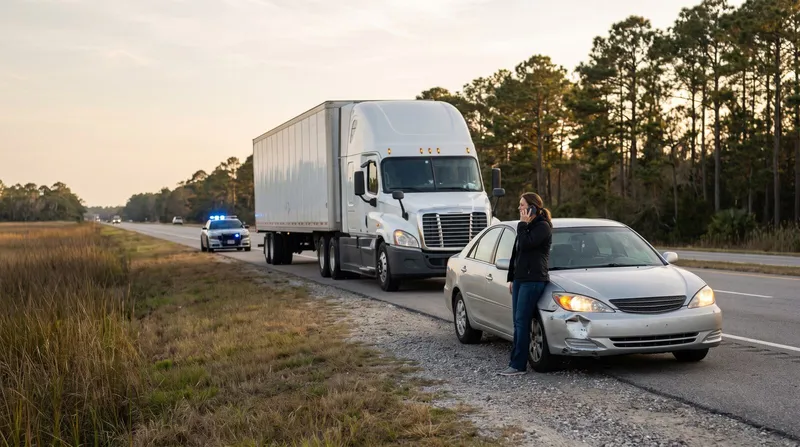
MCS-90 endorsement and the $750,000 truck insurance minimum
How the MCS-90 (Motor Carrier Act of 1980) endorsement backs a trucking policy after a Wilmington crash, with the 49 CFR 387.9 limits table. Free consultation.
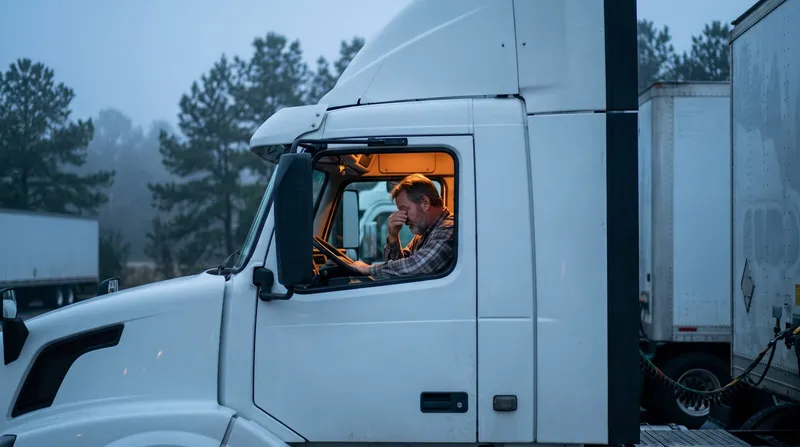
FMCSA hours of service violations in NC truck crash claims
FMCSA (Federal Motor Carrier Safety Administration) hours of service limits charted, plus the 6-month log clock in Wilmington truck crashes. Free consultation.
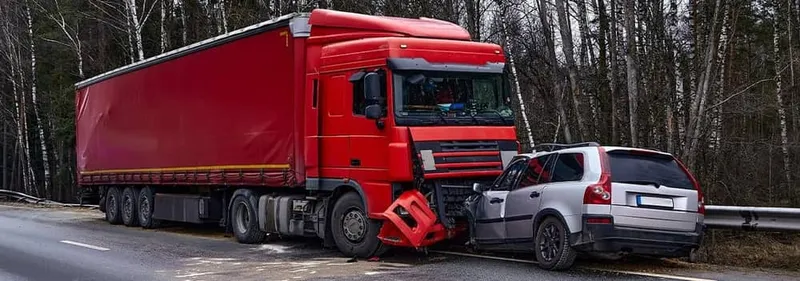
What to do after a truck accident in Wilmington, NC
Hit by a truck near Wilmington? See the 8-hour and 6-month clocks on trucking records and NC's 3-year filing deadline. Schedule a free consultation.