Premises liability cases are the ones other firms turn down. A fall on a wet supermarket floor, a collapsed deck at a beach rental, a broken stair at an Airbnb: many lawyers hear those facts and pass, because North Carolina law makes these claims genuinely hard. Contributory negligence gives the property owner an argument that you should have watched where you were going, and if that argument sticks even 1 percent, you recover nothing. On top of that, NC requires proof that the owner knew or should have known about the hazard. Hard is not the same as impossible, though. I have taken these cases for over 41 years, and this section explains how they are actually won.
The starting point is doctrine. What a property owner owes you depends on why you were there and what the owner knew. The articles here walk through the notice requirement, how long a spill has to sit before a store is responsible for it, what "open and obvious" means, and how the contributory negligence defense plays out in fall cases specifically. This is the legal ground every premises case is fought on, and understanding it explains why the evidence you gather in the first hours, photos of the hazard, incident reports, witness names, matters so much.
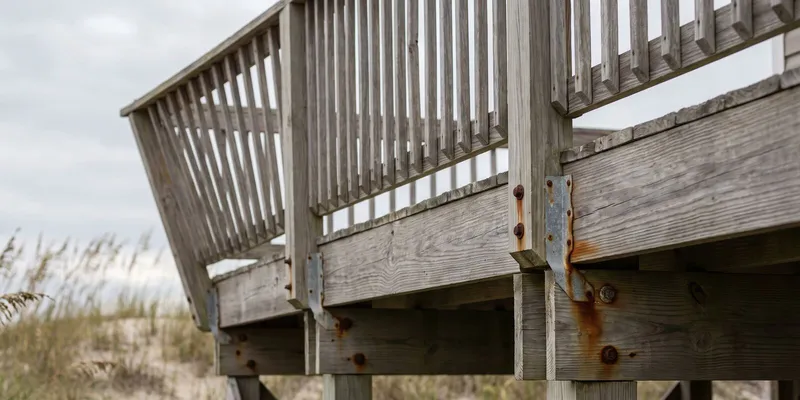
Coastal North Carolina adds a category most of the country does not see at this volume: vacation rentals. Wrightsville Beach, Carolina Beach, and the Brunswick County islands fill with visitors every season, staying in properties owned by absentee hosts and managed at a distance. When a rotted deck rail gives way or an unlit exterior stair drops a guest, questions of host duty, management company responsibility, and insurance coverage stack on top of the usual premises rules. I have handled these cases, including Davis v. IHG Franchising, a $150,000 recovery in a hotel slip-and-fall that turned on exactly the notice evidence described above.
Because notice is the battleground, the evidence chapter of this section is the one I most want people to read early. Stores and property managers document incidents for their own protection, not yours: the incident report gets written, the surveillance footage gets reviewed, and unless someone demands preservation in writing, that footage is routinely overwritten within weeks. Inspection logs, cleaning schedules, and prior-complaint records establish how long a hazard existed and who should have caught it, and none of them will be volunteered. I explain what to request, how to request it, and why a preservation letter in the first week can matter more than anything that happens in the following year of the claim.
The section also covers apartment complex injuries, dog bites, and swimming pool cases. If you were hurt on someone else's property, do two things quickly: photograph the hazard before it is repaired, and get medical care. Then call me and tell me what happened. The consultation is free, and I will tell you honestly whether the facts can carry a case under NC law.