
Premises Liability
Premises Liability · Wilmington, NC
When a deck or balcony fails, inspection must happen within days.
A deck collapse almost always traces back to one thing the property owner is about to repair. Most of the time it was the ledger board, the span, or the lateral connection — on a coastal deck, a rental balcony, or a beach-house pier — and the owner replaces the structure within a week. Once the failed material is gone, the case is much harder to build under North Carolina's contributory-negligence rule. I've worked premises cases for over 41 years. The consultation is free, and there is no fee unless I win your case.
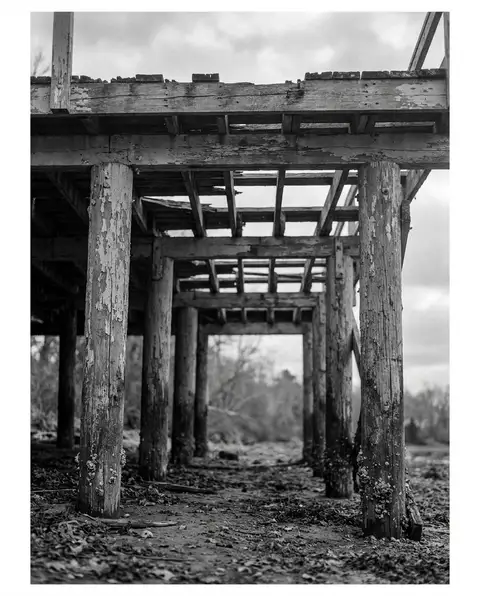
What this case depends on
Engineering forensics and timing.
Engineering forensics within days
A structural engineer needs to inspect the failed connection before the owner repairs the structure. A spoliation letter — a formal legal demand that the failed material be preserved as evidence — goes out the same week. Photos of the failed material in place, prior inspection records, and the building permit set the engineering report up to carry the case.
Mass-tort potential when multiple people fall
A balcony failure at a rental, a pier collapse, a deck failure at a vacation house full of guests. One structural failure can injure several people at once. The case can proceed as a coordinated set of plaintiffs with a single liability theory.
Deck collapse sits inside the broader premises-liability practice, alongside slip-and-fall, Airbnb injuries, and broken stairs. See all premises-liability sub-types.
How I work deck-collapse cases
A documents-and-engineering case, run on a tight clock.
Most deck and balcony collapses in North Carolina come back to one of three failures:
- Ledger-board pull-away. The board tying the deck to the house was never properly through-bolted to the band joist.
- Over-spanned joists. The joists carry a span the code never approved them for, and the deck gives way under guest load.
- Missing lateral-load connection. The hardware that keeps the deck from racking sideways under crowd movement was never installed.
Layer coastal salt-air corrosion on top — it can eat through under-rated fasteners in a decade — along with a 1995-to-2010 housing stock where DIY deck replacement was common, and you have the conditions for the failures I see most often. The North Carolina Building Code and the International Residential Code provide the standards. The engineering tells you which one was missed.
Here is how I work a case once you call:
- The spoliation letter goes out within days, putting the property owner on notice that the failed material must be preserved.
- A structural engineer is engaged to inspect the failure — in place if possible — and document the connection that gave way.
- I request the building permit, prior inspection records, the original construction plans if they exist, and any photographs neighbors or family took at the scene.
The defense will reach for the contributory negligence rule and the open-and-obvious doctrine, arguing the visitor should have known the deck was unsafe. Most of the time those arguments fail against a latent structural defect once the engineering is in. At beach rentals, the crowd-size argument comes up constantly, and my guide to coastal deck collapses explains why it rarely holds up.
The consultation is free. No fee unless I win your case. Deck-collapse work sits inside my broader premises-liability practice, and when a collapse takes a life, it overlaps with my wrongful death work as well.
— Robert L Armstrong
Related under Premises Liability
Related premises cases I handle.
Deck failures overlap most with vacation-rental injuries, where the property is hours from your home, and with broken-stair cases, where the same coastal structural wear and code questions are in play.
Premises Liability sub-typesIn their words
What clients have said after their case was over.
“Mr. Armstrong guided me after a motor vehicle accident I was involved in. Great communication during the process. Communication with Stephanie (Mr. Armstrong's assistant) was flawless as well. If you're looking for great representation in your time of need, definitely contact them.”
Amanda
Google review
“We were both seriously injured in an automobile accident in North Carolina on our way home to New York. During our long recoveries and afterwards, he was in frequent contact with us to keep us posted on the progress of our cases. He addressed all our questions and concerns with clear explanations. We would highly recommend the law firm of Robert L. Armstrong.”
John & Margaret
Avvo review
“I am so thankful to have been represented by Robert L. Armstrong! He is a fantastic listener who really cares. It was so relieving to have him take over all of the chaos of my car accident. He validated me, took control of the situation and brought some peace back into my days.”
Joy
Avvo review
From the resource library
Guides for cases like this.

Premises Liability
Vacation Rental Injury Lawyer Wilmington NC | Legal Rights

Premises Liability
Wilmington Airbnb injury lawyer on AirCover limits
Common questions
About deck-collapse cases in NC.
These are the questions families ask most after a deck, balcony, or pier failure. Answered the way I would answer them on the phone.
Frequently asked questions
How fast does the structural inspection need to happen after a deck collapses?
Within days, not weeks. The property owner’s instinct after a collapse is to clean up the debris and repair the structure, often before the insurance company has even sent a representative.
Once the failed ledger board, the corroded fasteners, or the under-spec joists are hauled away, the case that proves what failed and why gets much harder. I send a spoliation letter the same week so the owner is on notice that the failed material has to be preserved, and I engage a structural engineer to inspect the failure in place if possible.
If the structure has already been repaired, the case can still be built — it just runs harder on photographs, permits, and prior inspection records.
What do the NC Building Code and the International Residential Code have to do with my case?
They define the standard of care. A deck or balcony built or maintained in violation of code is strong evidence of negligence, and the standards are detailed: ledger-attachment specifications, joist span tables, lateral-load connections, post-and-beam sizing, railing height and infill, and guard-load capacity.
The North Carolina Building Code adopts the International Residential Code with state amendments, and coastal counties layer on additional wind-load requirements. When the failed connection violates the applicable code, the engineering report can carry the case.
What if I had been on the deck before and it seemed fine?
Most deck-collapse cases I see involve latent failures — a ledger that was corroded behind the siding, a joist hanger that had pulled loose internally, a span that always exceeded code but never carried a full load. The fact that you used the deck without incident before is rarely an open-and-obvious bar, and it does not automatically trigger contributory negligence.
The defense will still raise both doctrines. Whether they land depends on what a reasonable visitor could have seen, what the host or owner knew, and what the engineering shows about how the failure progressed.
Multiple people were hurt in the same collapse. Does that change the case?
Often, yes. When one structural failure injures several people at once, the case can proceed as a coordinated set of plaintiffs with a single liability theory. That happens with balcony failures at rentals, pier collapses, and deck failures at vacation houses full of guests.
It can change the resources brought to bear, the engineering budget, and the insurance dynamics. I will tell you on the first call whether your case is likely to be one of several or a single-plaintiff matter, and how that affects timing.
How long do I have to file? What does the consultation cost?
Three years from the date of injury for most premises cases in North Carolina. Two years if the case is a wrongful-death claim, which can apply when a deck or balcony collapse is fatal. Evidence at the property degrades much faster than the statute runs.
The consultation is free. No fee unless I win your case.
If a deck or balcony failed, the clock starts now.
Tell me where the structure failed, who was hurt, and what the property owner has said since. I will tell you honestly whether the case can be defended under NC's rules and how fast the engineering inspection needs to happen. The consultation is free, and the call goes directly to me or my legal assistant.
Contingency-fee representation. Free consultation.