
Premises Liability
Premises Liability · Wilmington, NC
An Airbnb injury lawyer for coastal North Carolina rentals.
Getting hurt at a beach rental is more complicated than it looks. Maybe a deck gave way, a pool surround was slick, a stair was broken, or an unmarked step sent you down in poor lighting. Then you find out the host's homeowner's policy will not cover a paying guest, and that North Carolina's strict fault rule can be turned against you. I have handled premises cases up and down the coast, from Wrightsville Beach and Carolina Beach to Topsail, Bald Head, Oak Island, and Holden Beach, over more than 41 years of practice. The consultation is free, and there is no fee unless I win your case.
What this case depends on
Host insurance, platform programs, and where the case gets filed.
The host policy and the platform program are two different things
Most homeowners' policies exclude short-term-rental commercial use. Airbnb AirCover and Vrbo Host Liability provide up to $1M of platform-side liability coverage, but coverage is fact-specific: who the booking guest was, whether the host triggered the program, whether the loss falls inside the exclusions. The brochure is not the contract.
Out-of-state guests have jurisdiction in NC
The case is filed in North Carolina because that is where the injury happened. NC long-arm jurisdiction reaches the host. The platform listing snapshot, the booking confirmation, the message thread, and prior reviews mentioning the same defect all need to be preserved before either party deletes them.
Airbnb and vacation-rental injuries sit inside the broader premises-liability practice, alongside slip-and-fall, deck collapse, and broken stairs. See all premises-liability sub-types.
How I work Airbnb and vacation-rental cases
The brochure is not the contract. The booking is.
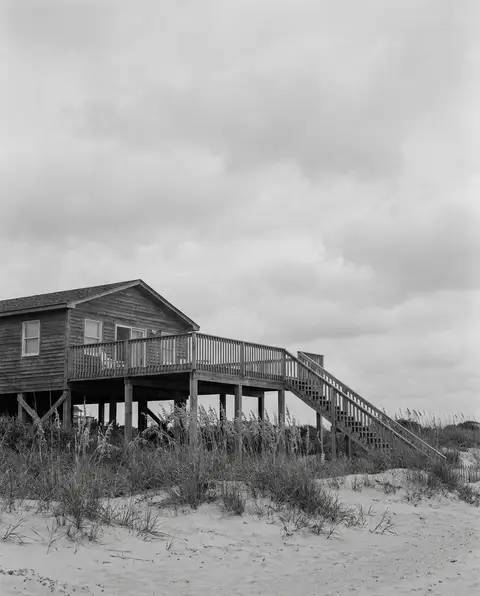
Coastal North Carolina is full of older houses that were turned into short-term rentals over the last decade, and the injuries follow the housing stock: a deck collapse when salt air has eaten the supports, a slick pool surround at dusk, an unrailed loft, a wet exterior stair after rain. These cases follow a recognizable pattern, and here is how I work one.
-
Capture the listing and booking before the host changes anything
A host can edit a listing within minutes of an incident, so the first move is to save it: the listing as it looked when you booked, the photos, the house rules, the booking confirmation, and your full message thread with the host. When you call my office, the preservation request goes out within days.
-
Find out whether the host already knew about the danger
I pull the public reviews left before yours and look for earlier complaints about the same problem: a wobbly railing, a loose broken stair, a slick pool deck. A guest who flagged the hazard months ago can be the proof that the host had warning and did nothing.
-
Sort out which insurance actually pays
The host's homeowner's policy often refuses to cover a paying guest. Airbnb AirCover and Vrbo Host Liability offer up to $1 million on paper, but whether either one pays depends on the booking, the timing, and the fine print, not the brochure. Working out which coverage is really available is a big part of the case.
-
File in North Carolina and shut down the 1% fault rule
Many out-of-state guests assume they have to hire a lawyer back home. They do not: the case is filed here in North Carolina, where the injury happened, and NC long-arm jurisdiction reaches the host. From there, the contributory-negligence rule and the question of whether the host had notice are the two arguments the defense leans on hardest, so I build the case to defeat both. The same two arguments show up in deck collapses at beach rentals, where corroded hardware is often the real cause.
The consultation is free. No fee unless I win your case. Vacation-rental work sits inside my broader premises-liability practice, and I will tell you honestly if the case cannot win under North Carolina's rules. That saves you weeks waiting on something that will not move.
— Robert L Armstrong
Related under Premises Liability
Rental defects overlap with two other cases I handle.
Most vacation-rental injuries come back to the same two defects: a structural deck failure or a stair that should have been replaced. Each has its own page.
Premises Liability sub-typesIn their words
What clients have said after their case was over.
“If you're looking for a skilled, empathetic lawyer who will personally handle your case — not pass it off to one of dozens of associates within a firm or personal-injury mill — look no further. Robert Armstrong is your guy.”
Phil
Google review
“I would suggest Robert and his team for anyone looking for straight forward help with any legal matter they need taking care of. Very professional, friendly, and down to earth people.”
Melissa
Avvo review
“Bob handled the case as a true professional would. He worked very hard to obtain the absolute best results possible and delivered. He says what he can and cannot make happen up front so there are no misconceptions, and then comes through on his commitments. I highly recommend his services to anyone in need of outstanding counsel, representation and, most importantly, results.”
Mark
Avvo review
From the resource library
Guides for cases like this.
Premises Liability
Vacation Rental Injury Lawyer Wilmington NC | Legal Rights

Settlement Values
How Much Is a Slip and Fall Case Worth in North Carolina?
Common questions
About vacation-rental injuries in NC.
These are the questions out-of-state guests ask most when they call about an injury at a coastal rental. Answered the way I would answer them on the phone.
Frequently asked questions
I was injured at an Airbnb in coastal NC but I live out of state. Where does the case get filed?
In North Carolina, where the injury happened. Personal injury cases generally go in the state and county where the incident occurred, and North Carolina long-arm jurisdiction reaches the host because they were operating a rental property here. You do not need to find a lawyer in your home state.
I have worked with out-of-state guests injured at Wrightsville Beach, Carolina Beach, Topsail, Bald Head, Oak Island, and Holden Beach rentals. Most communication after the first meeting is by phone, email, and video, and the consultation is free.
Does Airbnb’s AirCover or Vrbo’s host-liability program cover my injury?
It may. Airbnb AirCover and Vrbo Host Liability are platform-provided liability programs of up to $1 million in coverage for qualifying incidents, but coverage is not automatic.
Whether a program responds depends on the facts: who the booking guest of record was, whether the incident happened during the confirmed stay, whether the host triggered the program promptly, whether the injury falls inside the policy exclusions, and whether the host or platform argues the guest contributed to the fall under NC’s contributory-negligence rule. The platform’s brochure is not the contract. The certificate of insurance and the program terms are.
Won’t the host’s homeowner’s policy cover it?
Often no. Most standard homeowner’s policies exclude commercial use, and short-term rental income usually qualifies as commercial use under the policy language.
Some hosts carry a short-term-rental endorsement or a separate landlord policy, and some do not. The host’s coverage situation is rarely clear on the first call. I work that out as part of the investigation, alongside whether the platform program responds and whether any umbrella policy is in play.
What evidence from the platform do I need to preserve?
The booking confirmation with check-in and check-out dates, the complete message thread between you and the host, the listing page as it appeared when you booked (including the photo set, house rules, and amenities list), the public reviews left before yours, and any prior complaints in those reviews about the same defect: a wobbly railing, a slick deck, a broken stair.
Hosts can edit a listing within minutes of an incident, so the case is much stronger when those screenshots get captured the same week. When you call my office, the preservation request goes out within days.
How does NC’s contributory-negligence rule affect a vacation-rental case?
North Carolina is one of only four states where being 1% at fault can bar recovery. In a rental case, the defense will usually argue the guest saw the hazard, ignored a warning in the house rules, or used the property in a way the host did not anticipate.
Whether that argument lands depends on lighting, signage, whether the defect was hidden, what the prior reviews showed, and whether the host had notice of the same defect. I work these cases knowing the rule, not around it.
How long do I have to file? What does the consultation cost?
Three years from the date of injury for most premises cases in North Carolina. Two years if the case is a wrongful-death claim.
Evidence on the platform and at the property degrades much faster than the statute runs, so the sooner you call the better. The consultation is free, and there is no fee unless I win your case.
Hurt at a rental on the coast? Let me look at the booking.
Tell me where you stayed, what failed, and what the host has said since. I will tell you honestly whether the case can be defended under NC's rules and whether the platform program is likely to respond. The consultation is free, and the call goes directly to me or my legal assistant.
Contingency-fee representation. Free consultation.