
NC Personal Injury Law
Personal injury · Wilmington, NC
A pedestrian accident case in NC is harder than most admit.
Pedestrian-strike cases in North Carolina turn on right-of-way at the moment of impact, and the state's contributory-negligence rule can bar recovery if the defense shows you were even 1% at fault. A free consultation will tell you where your case stands under North Carolina law. No fee unless I win your case.
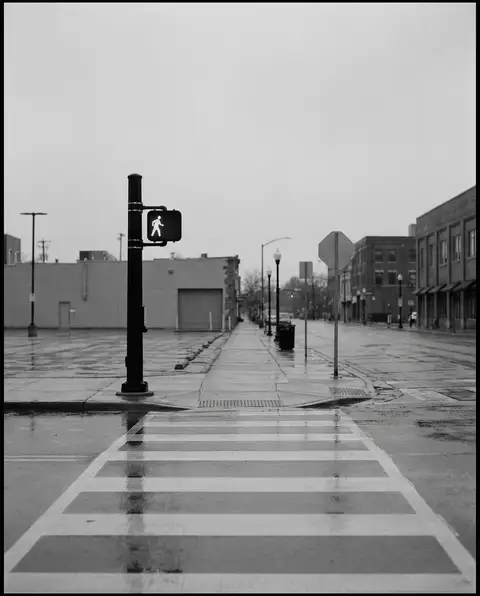
What a NC pedestrian case depends on
Two questions decide most pedestrian cases in North Carolina.
Right-of-way turns on where you were crossing.
At a marked or unmarked crosswalk, an intersection driver owes you the right-of-way under N.C. Gen. Stat. § 20-173. Cross outside one and § 20-174 puts the duty to yield on the pedestrian. Where you were standing at the moment of impact often decides the case, so the file has to pin down the crosswalk, the signal, and your exact position before the defense fills in its own version.
Contributory negligence gives the defense one foothold.
A mid-block crossing, dark clothing, headphones, or a phone in hand are all levers the defense reaches for to argue you were even 1% at fault and bar recovery entirely. None of them is automatically fatal. Each gets met with the driver's actual speed, lookout, and whether the last-clear-chance doctrine applies.
How I evaluate pedestrian-strike cases
The case usually turns on one second of footage and one rule of law.
North Carolina pedestrian cases are unusually defense-friendly, because the state still applies contributory negligence. If the defense proves the pedestrian was even 1% at fault for the strike, recovery can be barred entirely. That rule shapes the file from the first phone call, and the questions an adjuster asks early are not random: whether the crosswalk was marked, whether the signal was walking or solid, where the pedestrian was standing, whether it was dark, and whether headphones or a phone were in use. Each answer is a contributory-negligence lever the defense hopes to pull.
A strong case is evaluated on that first call the same way the defense will evaluate it. The police report is read alongside witness statements, scene photos taken before the road is repainted or re-striped, the lighting and visibility at that time of day, the vehicle's pre-impact speed and braking, and any nearby business camera that may have caught the seconds before contact.
When the injuries are serious, the medical records have to tie the mechanism cleanly to the trauma pattern, because a defense expert will look for a prior condition to blame instead. Not every pedestrian-strike call becomes a case worth filing, and saying so plainly is not a sales technique — it is the contributory-negligence rule doing what it does.
If you or a family member was struck while walking in North Carolina, call. The consultation is free. After more than 41 years handling only personal-injury work, that first conversation will tell you where the case stands, and the personal-injury page covers the broader frame if a vehicle is involved on either side. No fee unless I win your case.
— Robert L Armstrong
Related under Personal Injury
When a vehicle hits a person on foot or on wheels, the file shares a pattern.
Bicycle and bus cases run on the same contributory-negligence pressure as a pedestrian strike, but each brings a different insurance map and its own set of fault arguments.
Personal Injury hubIn their words
What clients in eastern NC said after the case closed.
“Mr. Armstrong guided me after a motor vehicle accident I was involved in. Great communication during the process. Communication with Stephanie (Mr. Armstrong's assistant) was flawless as well. If you're looking for great representation in your time of need, definitely contact them.”
Amanda
Google review
“After calling around to a few lawyers, Rob responded swiftly. He gave me courteous service and was very realistic about all aspects of the case. I have referred several people to him.”
Al
Avvo review
“Mr. Armstrong represented me in my personal injury claim. He was awesome — professional yet personable. He facilitated an outcome that was far better than I could have hoped for, and above all he always put my interest first and foremost.”
Red
Google review
From the resource library
Guides for cases like this.
NC Personal Injury Law
NC's Last Clear Chance Rule in Car Accidents

Insurance Claims
Who Covers Medical Bills After an NC Car Accident?
Common questions
About pedestrian-strike cases.
The questions that come up most often on the first call after a pedestrian strike in North Carolina. Answered the way I would answer them on the phone.
Frequently asked questions
Can I still recover if I was crossing outside a crosswalk?
It is harder, but not automatically barred. North Carolina law (N.C. Gen. Stat. § 20-174) requires a pedestrian crossing outside a marked or unmarked crosswalk to yield to vehicles, and in a contributory-negligence state the defense will use a mid-block crossing to argue you were at fault for your own injury. That is not the end of the analysis. A driver who was speeding, distracted, or had the last clear chance to avoid the strike can still be liable, and the last-clear-chance doctrine exists precisely to answer this argument. The consultation will cover where you were crossing and what the driver was actually doing.
The driver says I stepped out in front of them. Does that end my case?
Not by itself. At a marked or unmarked crosswalk an intersection driver owes you the right-of-way under N.C. Gen. Stat. § 20-173, and a driver is still required to keep a proper lookout and avoid a pedestrian they could see. The defense leans on the ‘darted out’ story because it shifts blame, so the file has to pin down sightlines, pre-impact speed, braking, and how much time the driver actually had. That is the work that answers the accusation instead of accepting it.
What if the driver who hit me drove off?
Report it to the police right away and get the case in front of someone quickly. A hit-and-run that leaves you without an at-fault driver to sue does not always leave you without coverage. The uninsured-motorist portion of an auto policy in your household can apply to a pedestrian struck by an unidentified vehicle, subject to the policy terms and prompt notice. The first call should sort out which policies are in play before evidence and deadlines slip.
Does it hurt my case that it was dark or that I had headphones in?
The defense will try to use it. Lighting, dark clothing, headphones, and a phone in hand are all levers a contributory-negligence defense reaches for to argue you contributed to the strike. None of them is automatically fatal. Each one gets met with the actual facts: the driver’s speed and lookout, the visibility profile of that location at that time of day, and whether a careful driver would have seen and avoided you anyway. The rebuttal has to be built into the file from the first conversation.
How long do I have to file a North Carolina pedestrian case?
Three years from the date of the strike for personal-injury claims, and two years for wrongful death. The deadline is hard, and once it passes the case cannot be filed no matter how strong it is. Scene evidence, witness recollection, and any nearby business-camera footage degrade long before the deadline runs, so the first call should not wait on the clock.
Struck while walking? The call is free.
Tell me what happened. A free review will tell you whether the facts support a viable claim under North Carolina's contributory-negligence rule, and what the next step should be. No fee unless I win your case.
Contingency-fee representation. Free consultation.