
Car Accidents
Personal injury · Wilmington, NC
A Wilmington bus accident lawyer who beats the notice deadline.
A bus operator is a common carrier under North Carolina law, which raises the duty of care above the ordinary-negligence standard. But a government defendant brings sovereign-immunity notice rules that can bar the case before contributory negligence is even argued. The consultation is free. No fee unless I win your case.
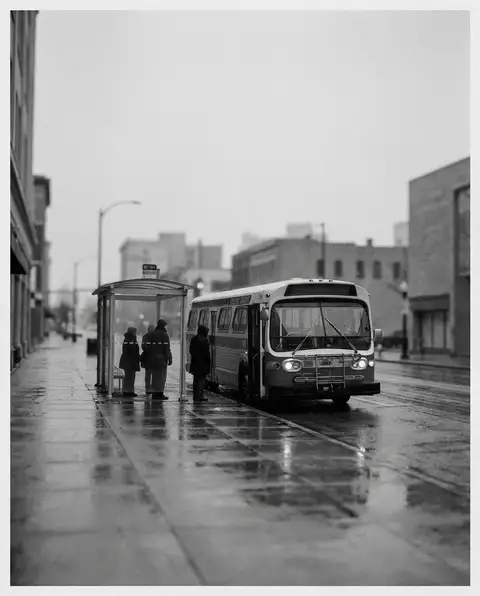
What determines liability in a bus accident case
Two issues decide most NC bus accident cases.
A higher duty to keep passengers safe.
Under North Carolina law, a bus company owes its passengers more care than an ordinary driver does. That higher standard reaches the driver, the dispatcher, the maintenance crew, and how the company hires and trains its people. The case is built around that stricter standard, not the ordinary rules an auto insurer will try to apply.
Short deadlines when a government bus is involved.
Cases against Wave Transit, NCDOT contractors, the Cape Fear Public Transportation Authority, a county school district, or a city vehicle come with special rules that protect government agencies. You may have to file a formal notice far sooner than the three-year deadline for most injury claims, and missing it can end the case no matter how strong it is.
How I work bus accident cases
The hardest part is usually not proving negligence, it is giving the right notice to the right entity in time.
A bus crash in North Carolina is rarely a simple car-accident claim. Three legal rules shape your case from the first day, and each one affects what it is worth and how fast you have to act:
- A higher duty of care. A bus company is a common carrier, so it owes its passengers the highest practical degree of care, a tougher standard than the one that applies to an ordinary driver. That covers the driver, the dispatcher, and how the company maintains its buses and hires and trains its people.
- A short deadline to give notice. If the bus belongs to Wave Transit, a school district, NCDOT, or a city, you may have to file a formal notice within months, long before the three-year deadline that applies to most injury claims. Miss that notice and the case can be lost no matter how strong it is.
- The 1% rule. North Carolina's contributory negligence rule can bar your recovery if the defense pins even 1% of the blame on you, and that argument still applies to a passenger's claim against a third-party driver.
I work these files knowing the carrier's first move is usually to preserve as little as possible while the clock runs. An evidence-preservation letter goes out the same week, covering the bus ECM, the dash-cam, the maintenance records on the unit, and the driver-qualification file. Passenger witnesses get mapped while names and contact details are still fresh.
Where a government defendant is involved, the statutory notice goes to the correct entity within the correct window, before contributory negligence is ever argued. Charter and commercial-carrier files share a frame with my truck cases on maintenance and qualification review, and the same multi-defendant analysis runs across the driver, the carrier, the dispatcher, and any contracted maintenance provider.
For over 41 years personal injury has been the only kind of law I have practiced. If you were a passenger or a driver hurt in a bus collision in North Carolina, or a family member of a school-bus rider, call. The consultation is free. I will tell you honestly what I think the case is, what notice the file needs first, and how I would work it. No fee unless I win your case.
— Robert L Armstrong
Related under personal injury
When a vehicle hits a person,
the file changes shape.
Bicycle files share the contributory-negligence pressure pattern with bus passenger claims but follow a different insurance map.
Personal Injury hubIn their words
What clients in eastern NC said after the case closed.
“He delivered honest and informed communication before I even decided to retain him. He is straightforward, supportive, kind, and focused. If communication, attentiveness, and experience are what you are searching for, you will find them with Robert!”
Michael
Avvo review
“I had a long, drawn-out case, and Bob was extremely helpful and diligent in handling it. He's a great person and a great attorney — very personable and professional. I would recommend him to anyone, and would use his services again myself.”
Noah
Google review
“From the moment I met Robert, I sensed that he would be the lawyer I could trust. By the time my case was resolved a year later, I felt like I had a new friend who just happened to be a REALLY good lawyer!”
Laurie
Avvo review
From the resource library
Guides for cases like this.

Insurance Claims
North Carolina MedPay Coverage and Injury Settlements Guide

Insurance Claims
Who Will Pay My Medical Bills After an Accident?
Common questions
About bus-collision cases.
The questions that come up most often on the first call about a bus-collision case in North Carolina. Answered the way I would answer them on the phone.
Frequently asked questions
What does common-carrier duty of care mean for my bus case?
North Carolina treats a bus operator as a common carrier, which owes the highest practical degree of care for passenger safety. The standard raises the bar on the operator’s conduct, the carrier’s maintenance schedule, and the carrier’s hiring and training practices. It also changes how the file is built compared to an ordinary auto-accident file, because the inquiry covers far more than the driver’s seconds before impact.
The bus was a Wave Transit bus, a school bus, or a city vehicle. Does that change the case?
Yes, significantly. Government-related defendants carry sovereign-immunity rules and short statutory-notice deadlines. Notice has to be delivered to the correct entity within the correct window, or the case can be barred regardless of how strong the underlying negligence claim is. The notice analysis runs in the first conversation and is separate from the broader three-year statute of limitations.
What if I was a passenger and other people on the bus were also injured?
Multi-passenger claims usually compete for the carrier’s policy limits, which means timing and documentation matter more than they do in a single-claimant case. Filing early, preserving the ECM data and dash-cam early, and documenting injury severity early all affect the share of the available coverage a given passenger’s case can reach.
Does the contributory-negligence rule still apply to bus cases?
Yes, for a passenger’s claim against a third-party driver and for claims against a non-government carrier. It also applies in modified form in some government-defendant matters. The 1% rule is not a special trap unique to bus cases, but it is part of the analysis on every North Carolina personal-injury file, and the defense will pursue it.
How long do I have to file a North Carolina bus-accident case?
Three years for most personal-injury claims, two years for wrongful death. But government-defendant notice can be required well before either of those deadlines, sometimes within months. The first call should not wait on the three-year clock, because the shortest applicable deadline is the one that controls the file.
If you were hurt in a bus collision,
the call is free.
Tell me what happened. I will tell you honestly what notice the file needs first, what the common-carrier standard makes possible, and how I would work the case. No fee unless I win your case.
Contingency-fee representation. Free consultation.