Car accidents · Wilmington, NC
A Wilmington rideshare lawyer who finds the policy that pays.
Most rideshare injury clients were passengers in the back of an Uber or Lyft when another car, or their own driver, caused the wreck. Drivers struck by a rideshare car and injured pedestrians have a claim too. In every case, the policy that pays turns on whether the app was off, the driver was waiting, or a trip was already underway. I have spent over 41 years on contributory-negligence investigations. Consultation is free. No fee unless I win your case.
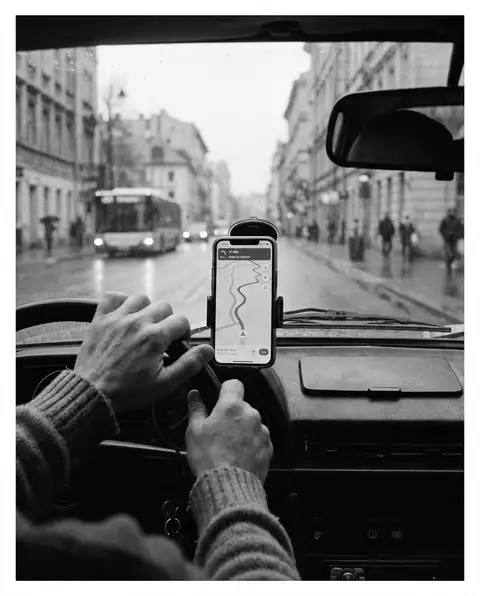
Which app was running
Uber and Lyft cases run different carrier flows.
Both companies use a 3-period coverage model with a $1 million commercial policy in Periods 2 and 3, but the carriers, the adjuster behavior, and the personal-auto exclusion pattern in Period 1 are not the same. Pick the platform that was running when your wreck happened.
Uber accidents
James River and Progressive Commercial usually handle Uber's commercial layer in NC. The in-app trip record sits on a short retention clock, so preservation letters go out the first week. Once that data is purged, proving which coverage period was running gets far harder.
Lyft accidents
Lyft carries the same $1 million policy structure, but Period 1 cases in NC often hit a personal-auto rideshare exclusion. When the driver's own insurer denies the claim because the app was on, that exclusion can leave you with no coverage to recover from until it is answered.
How I work rideshare cases
Lock the coverage period first. Then the fault picture. In that order, North Carolina's all-or-nothing negligence rule stops being able to sink your claim.
A rideshare wreck is not a car accident with extra steps. It happens inside a layered insurance contract. Period 0 is the app off and the personal auto policy alone. Period 1 is the driver logged on and waiting, with a contingent commercial layer of roughly fifty thousand per person behind the driver's personal auto.
Period 2 starts when the driver accepts the ride, and Period 3 runs through the trip itself. In both, Uber and Lyft each carry a one million dollar commercial liability policy and a one million dollar uninsured and underinsured motorist policy. Which period was running at the moment of impact decides which carrier you are actually litigating against, and the defense will push hard to drop the case into Period 1 every time.
That is why my very first move on a rideshare claim, often within days of the call, is a preservation letter to Uber or Lyft demanding the in-app trip record, the driver activity log, and the GPS feed for the minutes around the wreck. Many firms wait for the insurer to volunteer that data. I go after it immediately, while it still exists, because it is the proof of which coverage period was running and which policy has to pay.
Within the same week, my legal assistant or I order the police report, run the personal auto policy for the rideshare exclusion, and start the standard contributory negligence investigation on the underlying wreck. Witness statements, scene photographs, vehicle event-data, medical records. The investigation has to hold up under the one-percent rule the same way every car accident case does.
Personal injury is all I do, and I have done it for over 41 years. There are no associates because there are no handoffs. When you call my office, you will reach my legal assistant or me directly. If your case routes naturally to an Uber claim or a Lyft claim, the sub-page covers the carrier-specific moves I make on each. Consultation is free. No fee unless I win your case.
— Robert L Armstrong
Related under car accidents
Hit-and-run and drunk-driving cases turn on the same multi-policy fight as a rideshare claim.
When a hit-and-run driver flees or a drunk driver is underinsured, recovery shifts across several policies, often onto your own uninsured- or underinsured-motorist coverage. That is the same layered-coverage analysis and fast evidence preservation a rideshare case demands.
See all car accident sub-typesIn their words
What car accident clients said after their case closed.
“He delivered honest and informed communication before I even decided to retain him. He is straightforward, supportive, kind, and focused. If communication, attentiveness, and experience are what you are searching for, you will find them with Robert!”
“My van was hit and totaled. Bob took my case and suggested medical professionals who fixed my problems. He kept in contact to see how I was doing and genuinely took an interest in my well-being. All of the medical bills were paid and I am back to 100%. I would highly recommend Bob.”
“I had been involved in a car accident and contacted Robert for guidance about what I should do. He listened with great care and told me how I needed to proceed. His first priority was to make sure I was receiving the best medical care.”
From the resource library
Guides for cases like this.

Car Accidents
Car Accident Cases With Multiple Defendants

Insurance Claims
Underinsured Motorist Car Accident Lawyer Wilmington, NC
Common questions
About rideshare cases.
The questions that come up most often on Uber and Lyft cases in North Carolina. Answered the way I would answer them on the phone.
Frequently asked questions
How does Uber and Lyft insurance work in North Carolina?
Both Uber and Lyft run a three-period coverage model. Period 0 is when the app is off, and only the driver’s personal auto policy applies. Period 1 is when the driver is logged on and waiting for a ride request; coverage drops to a contingent layer of roughly $50,000 per person, $100,000 per accident, $25,000 property damage, behind the driver’s personal auto. Period 2 begins when a ride is accepted and Period 3 covers the trip itself, and in both Periods 2 and 3 the rideshare company carries a $1 million commercial liability policy and $1 million in uninsured and underinsured motorist coverage. Which period was running at the moment of impact decides which policy reaches your case.
I was a passenger in an Uber or Lyft when the wreck happened. Whose insurance pays?
If the Uber or Lyft driver caused the wreck, the rideshare company’s $1 million commercial liability policy is primary because a trip was in progress, which is Period 3. If another driver caused the wreck and they had liability coverage, their insurer pays first up to their limits, and the rideshare company’s $1 million underinsured-motorist coverage stacks on top. If the other driver was uninsured, the rideshare company’s uninsured-motorist coverage applies. Passengers almost always have a clean path to recovery, but the case still has to be built carefully so the policy reach is preserved.
I was hit by an Uber or Lyft as a pedestrian or cyclist. Does the rideshare policy reach me?
Yes, if the rideshare driver was in Period 2 or Period 3 at the moment of impact. The same $1 million commercial liability policy applies. If the driver was in Period 1, the contingent layer applies behind their personal auto policy, which in North Carolina is often where a coverage dispute develops because many personal policies exclude rideshare use. If the driver had logged off, the case proceeds against the personal auto policy alone.
The rideshare driver’s personal insurer is denying the claim because the app was on. What do I do?
This is the period dispute, and it is the most common point of friction in NC rideshare cases. The personal insurer wants to say the driver was rideshare-driving and is therefore excluded from coverage. The rideshare carrier wants to say the period had not yet started. The fight is decided by the in-app trip record, the driver activity log, and the GPS data. A preservation letter has to go to the rideshare company in the first weeks before that data is purged or summarized into a one-line internal note.
How does North Carolina contributory negligence apply to a rideshare case?
As a passenger you almost certainly were not negligent in causing the wreck, so the contributory-negligence rule rarely bars a passenger’s recovery directly. But the rule still controls the at-fault analysis between the two drivers, which decides which policy reaches you. If the rideshare driver was even 1 percent at fault, the rideshare carrier is on the hook for some share of the claim. The investigation has to lock both the period and the fault picture, in that order, so contributory negligence is survivable. The consultation is free.
Wondering which insurance policy applies to your Uber or Lyft accident? The first call is free.
No fee unless I win your case. Tell me which app was running and what happened. I will pin down which coverage period applies, identify the insurer responsible for paying, and tell you honestly whether the claim holds up under North Carolina contributory negligence.
Contingency-fee representation. Free consultation.