

Secure Future GET STARTED WITH A FREE CONSULTATION

How to Sue City of Wilmington for Road Defect Car Accident
Key Takeaways:
You may be able to sue the City of Wilmington for a car accident caused by a road defect if you can prove the city had notice of the hazard and failed to fix it in a reasonable time.
Gathering strong evidence quickly is critical to building a successful claim and overcoming governmental immunity.
Navigating municipal liability, strict deadlines, and determining road ownership can be complex, but an experienced attorney can guide you through the process and maximize your compensation.
You're driving to work, focused on the day ahead, when your car suddenly slams into a massive pothole. The impact sends you to the hospital with injuries that keep you from earning the paycheck your family depends on. When a road defect causes your accident, you may have the right to sue the City of Wilmington for compensation.
Learning how to sue the City of Wilmington for road defect car accident cases involves proving the city had notice of the defect, properly gathering evidence, and understanding municipal liability rules. Robert L Armstrong has helped families navigate these complex claims for over 40 years, fighting to recover medical bills, lost wages, and other damages. If you're struggling with injuries and worried about your family's financial security, Robert L Armstrong Attorney is here to help you understand your options through a free, no-pressure consultation.
Can You Sue the City of Wilmington for a Road Defect? Your Rights Explained
When a pothole, broken drainage grate, or crumbling pavement causes your accident, you might wonder: Can I sue the City of Wilmington for a car accident caused by a road defect? We understand how overwhelming this question feels when you're dealing with injuries and mounting bills. The good news is that you may have legal options, and we’re here to help you understand them clearly.
When the City Can Be Held Responsible
The City of Wilmington may be liable when it knew about a dangerous road condition and failed to fix it within a reasonable time. This involves showing the City had "notice" of the defect through citizen complaints, prior accidents, or routine inspections. You'll need to demonstrate that the City was negligent for failing to repair the hazard or warn drivers.
Understanding Governmental Immunity and Insurance Coverage
Now, you might be concerned about something called governmental immunity, which traditionally protects cities from lawsuits. However, this protection has important limits that work in your favor.
Under G.S. 160A-485, the City of Wilmington can waive its immunity by purchasing liability insurance. When this coverage exists, you can seek the money you deserve up to the policy limits. Your attorney will verify early whether the City carries this coverage, as it determines whether your car accident case can proceed in civil court.
Determining Road Ownership and the Right Legal Path
Here's something many people don't realize: not all roads in Wilmington are City-maintained. If the North Carolina Department of Transportation (NCDOT) controls the roadway, your claim is subject to different rules under the State Tort Claims Act through the Industrial Commission rather than the regular court. Your attorney can help you check road ownership using NCDOT's database to identify the responsible party and choose the right legal pathway for your situation.
What Evidence Proves the City's Negligence and Notice
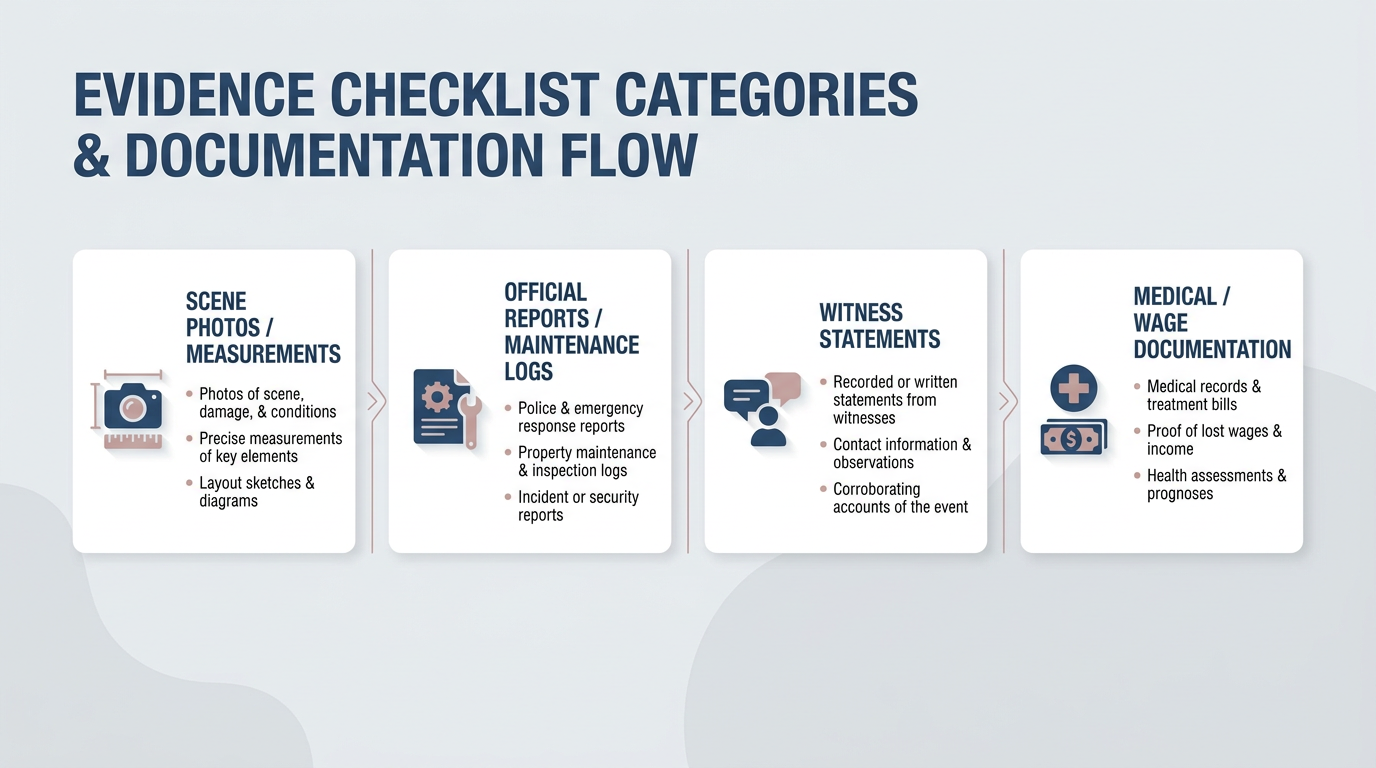
Building a strong case against the City of Wilmington requires gathering the right proof quickly. The evidence you collect in the first few days can determine the success of your claim.
Document the defect immediately - Take photos from multiple angles, measure depth and width, and record GPS coordinates.
Gather witness statements - Collect contact information from anyone who saw your accident or knew about the road problem.
Prove the City of Wilmington knew about the problem - Request 311 complaint records, maintenance logs, and prior accident reports at the same location.
Preserve all damage records - Keep medical bills, wage statements from your employer, and vehicle repair estimates together.
Track your recovery journey - Write down daily pain levels, missed work days, and how injuries affect your family responsibilities.
North Carolina courts require clear evidence that the City of Wilmington had actual notice of the defect and failed to fix it within a reasonable time. Under state law, cities may be protected by governmental immunity unless they carry liability insurance that waives this protection.
Strong evidence establishes the connection between the city's knowledge, its duty to maintain safe roads, and your specific injuries. Time works against you, so acting quickly protects your right to compensation and your family's financial security.
Deadlines and Filing Steps in Wilmington and North Carolina
Understanding time limits is important when you're wondering when to file a claim against the City of Wilmington for a road-related car accident. Under North Carolina law, you have three years from the accident date to file a personal injury claim and two years for wrongful death cases. However, if NCDOT maintains the road instead of the City, different rules apply that require you to file your claim through a state agency called the Industrial Commission rather than the regular court.
Beyond meeting deadlines, choosing the correct legal pathway protects your family's recovery. City claims typically proceed in civil court when liability insurance waives governmental immunity, while NCDOT claims follow different state agency procedures.
Missing deadlines, suing the wrong entity, or failing to prove the City's notice can prevent you from getting the compensation you deserve. Early legal guidance preserves evidence, meets procedural requirements, and identifies the responsible party before time runs out.
FAQs: Suing the City of Wilmington After a Road Defect Crash
When a road defect causes your accident, you need clear answers about your rights and options. These questions address the most common concerns families face when considering legal action against the City of Wilmington.
Can I sue the City of Wilmington for a car accident caused by a road defect?
Yes, you may have a valid claim if the City knew about the defect and failed to fix it. North Carolina law allows lawsuits against cities that purchase liability insurance, thereby removing their legal protection. Your success depends on proving the City's negligence caused your injuries.
What evidence should I gather in the first 24-48 hours after the crash?
Document everything immediately while details are fresh. Take photos of the defect from multiple angles and measure its size. Get witness contact information and request police reports. Save all medical records and notify your employer about the time missed for your personal injury case.
What challenges might I face when suing the City of Wilmington for a road defect car accident?
The main hurdles include proving the City knew about the problem and identifying who maintains the road. Government protection laws can block claims unless insurance coverage applies. You must also quickly gather solid proof and meet strict deadlines.
How do I know whether the road is city-maintained or under NCDOT control?
Use the NCDOT database to check who owns and maintains the road. If the state controls it, you file through a special government board with different rules. City-owned roads let you sue directly in regular court when insurance removes their protection.
How long do I have to file, and are there special notice requirements?
You typically have three years to file an injury lawsuit in North Carolina. Government claims may need earlier written notice to protect your rights. Moving quickly preserves important evidence and meets all legal requirements that could impact your case outcome.
Will filing a claim affect my immigration status or create public record issues?
Filing a legitimate injury claim will never affect your immigration status. Court records are public, but this should not stop you from protecting your family's future. Your right to seek compensation exists regardless of background, and securing your family's financial stability matters most.
Protect Your Claim and Your Family's Future
Road defect accidents against the City of Wilmington require quick action to preserve evidence and meet strict deadlines. Your success in these cases depends on proving that the City had knowledge of the defect through its municipal duties and failed to repair it in a reasonable manner.
When you need a Wilmington road defect car accident attorney to sue the city, you're facing procedural requirements and municipal liability rules while managing medical bills and lost wages. With Robert L Armstrong, we handle everything on a contingency fee basis, so you pay nothing unless we win your case. We’re here to work relentlessly to secure the compensation your family needs while you focus on healing.
Disclaimer: The content provided here is for informational purposes only and should not be relied on as legal advice. Accessing this content or contacting Robert L Armstrong through this site does not create an attorney-client relationship. Please contact a lawyer in your specific jurisdiction for advice on specific legal issues. Please note that any results achieved on behalf of a client does not guarantee or indicate similar results can be obtained for other clients. Each case stands on its own facts, law and merits.